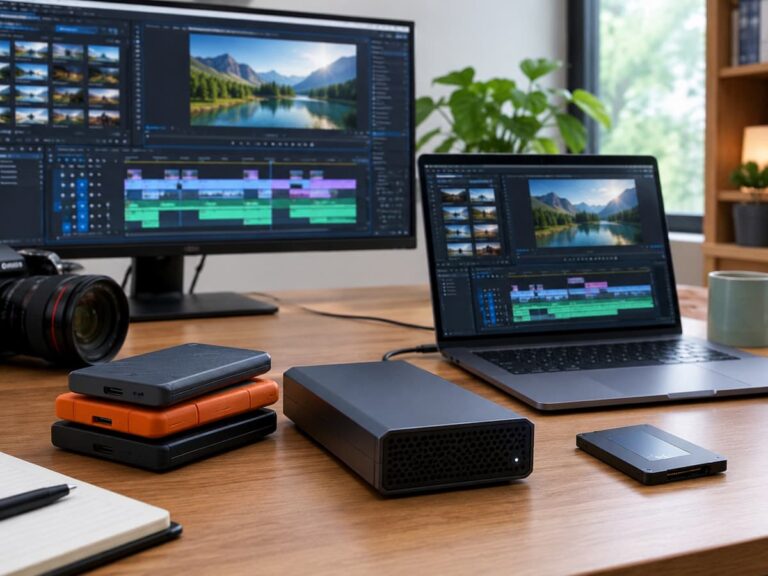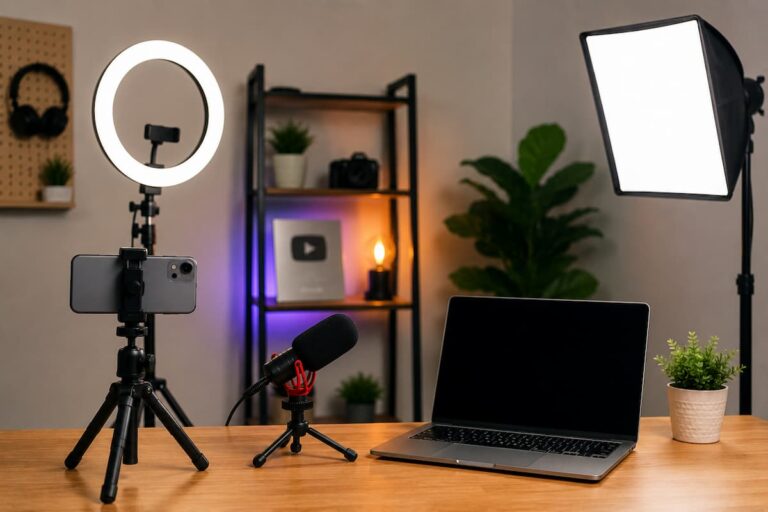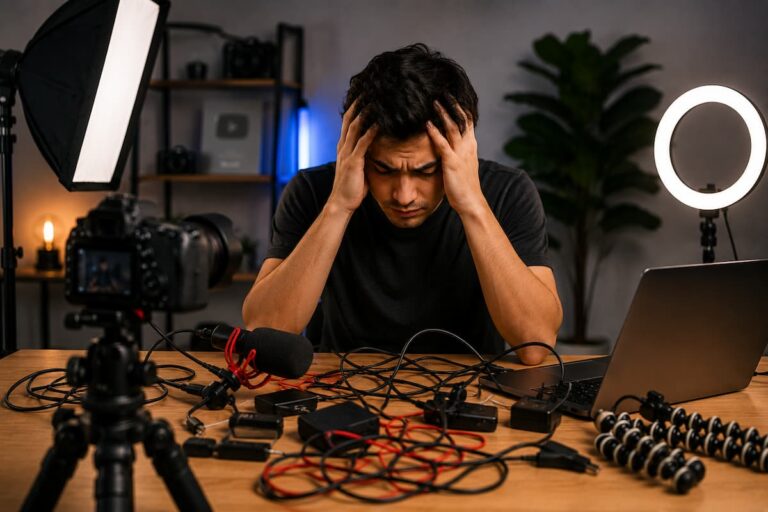
It started with a simple recording session that I thought would take less than an hour. I set up my camera, adjusted the lighting, and plugged in my microphone, ready to capture clean footage. But halfway through, the audio started cracking, and the camera lens fogged slightly because I had stored it carelessly the night before. That small mistake turned a simple task into hours of frustration. Over time, I realized that content creation is not just about creativity but also about caring for your tools. Every piece of equipment plays a role, and when one fails, everything suffers. Proper maintenance is not complicated, but it does require consistency and awareness. Once I learned this lesson, my workflow became smoother, and I stopped losing time resolving avoidable problems.
Why Maintaining Equipment Matters More Than You Think
Many beginners focus only on buying high-quality equipment, assuming that quality alone guarantees performance. In reality, even the most expensive gear can fail if you don’t maintain it properly. Dust, moisture, and careless handling gradually reduce the lifespan of devices. A clean and well-maintained setup not only performs better but also produces more reliable results. When your camera, microphone, or lighting equipment works consistently, you gain confidence during recording sessions. You stop worrying about sudden failures and focus entirely on your content. Maintenance is not just about protection; it is about building stability in your creative process. Treating your equipment with care is like investing in long-term productivity.
Keeping Cameras in Reliable Working Condition
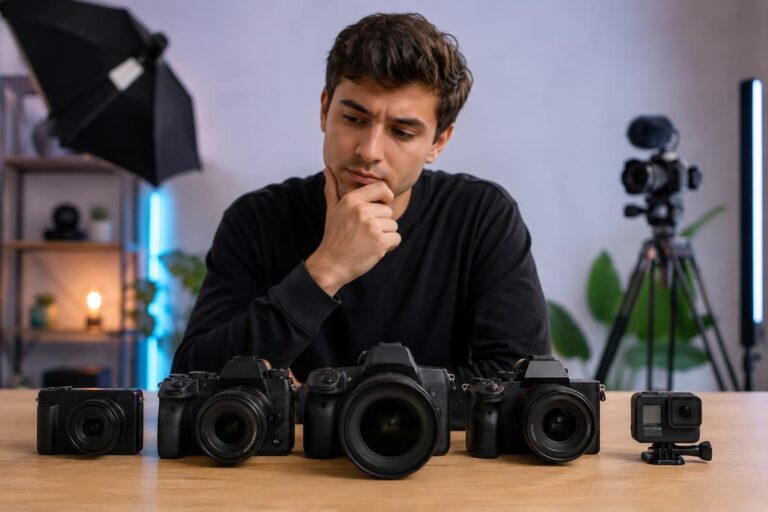
Cameras are often the most important part of a content creator’s setup, and they require regular attention. One of the most common issues is dust accumulation on the sensor or lens, which can affect image clarity. I learned early on that even storing a camera without a proper cover can lead to small particles settling inside. To avoid this, I always make sure the lens cap is on when not in use and the camera is stored in a dry place. Temperature changes can also affect performance, especially when moving between indoor and outdoor environments. Allowing the camera to adjust slowly helps prevent condensation issues. Regularly checking settings and ensuring proper shutdown after use also improves long-term performance.
Protecting Lenses from Damage and Wear
Lenses are delicate and often pricier than the camera body itself, so they deserve extra care. One mistake I made early on was cleaning them too aggressively, which left small scratches. Now I always use gentle techniques and avoid touching the glass directly with fingers. Even minor smudges can affect clarity, so cleaning should be done carefully and only when necessary. I also make it a habit to keep protective filters attached, which act as a shield against accidental damage. When storing lenses, I ensure they are placed upright and secured so they do not roll or bump into other objects. Over time, this simple discipline has helped me maintain sharp and consistent image quality.
Maintaining Microphones for Clear and Stable Audio
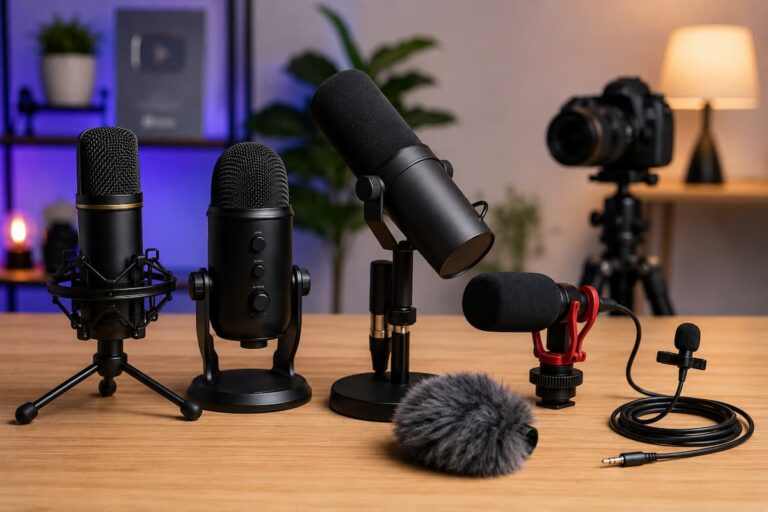
Audio quality is crucial for a video, and microphones are very sensitive tools. Dust buildup, cable strain, or improper storage can easily lead to distorted sound. I once ignored a slight crackling noise, thinking it was minor, but it turned out to be a loose connection that worsened over time. Now I regularly inspect cables and ensure they are not twisted or bent sharply. I also keep microphones covered when not in use to protect them from dust and humidity. Positioning also matters; placing them away from direct airflow or vibration sources improves clarity. Small maintenance habits can significantly improve sound consistency over time.
Taking Care of Tripods and Lighting Equipment
Tripods and lighting stands often seem durable, but they also require attention. Loose joints or unstable legs can cause accidents that damage other equipment. I learned these lessons when a poorly tightened tripod nearly caused my camera to fall during a shoot. Now I always check stability before placing any device on it. Lighting equipment, especially LED panels, should also be handled with care because overheating or poor ventilation can reduce their lifespan. I make sure to turn off lights properly after use and allow them to cool before storage. These small habits help maintain both safety and performance in my setup.
Creating a Safe and Controlled Storage Environment
Where you store your equipment is just as important as how you use it. Humidity, dust, and extreme temperatures can silently damage devices over time. I keep my gear in a dedicated storage space where conditions remain stable. Even a simple dry cabinet or sealed container can help protect your gear. I avoid placing equipment near windows or damp areas because exposure can lead to internal damage. Proper organization also reduces the chances of accidental drops or scratches. When everything has a fixed place, it becomes easier to track conditions and ensure nothing is overlooked. A controlled environment extends the life of every piece of equipment significantly.
Developing a Consistent Cleaning Routine
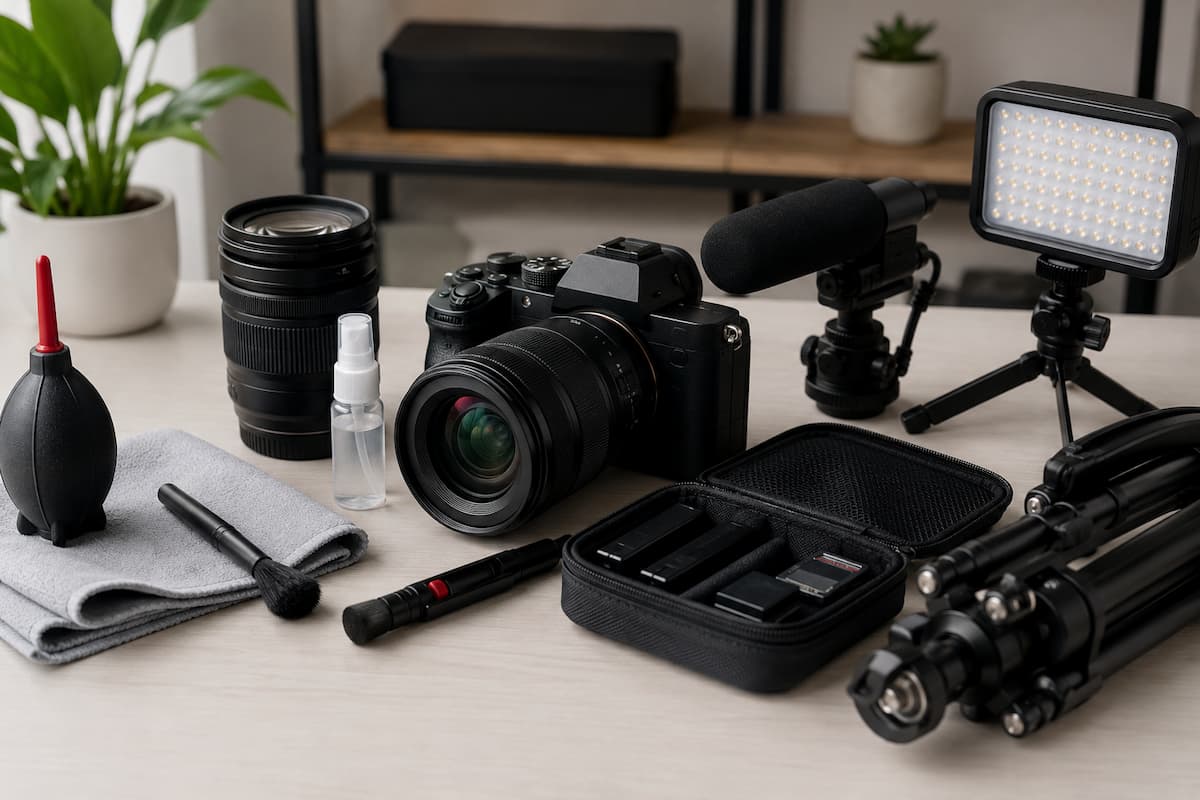
Cleaning equipment should not be done randomly but as part of a routine. After each major shoot, I take a few minutes to inspect and clean essential parts. This includes wiping surfaces, checking for dust, and ensuring no moisture remains. I avoid using harsh materials and prefer soft cloths that do not damage delicate surfaces. Over time, this habit prevents buildup that can affect performance. It also helps me notice small issues before they turn into bigger problems. A consistent cleaning routine is simple but highly effective in maintaining the long-term reliability of all equipment.
Improving Handling Habits During Daily Use
Most equipment damage does not happen during storage but during use. Careless handling, rushing setups, or moving equipment too quickly often leads to avoidable issues. I used to carry my camera without proper support, which increased the risk of accidental drops. Now I make sure to use straps and carry cases whenever I move between locations. I also take a few seconds before each shoot to check that everything is secure. These small pauses reduce mistakes significantly. Good handling habits become natural over time and greatly improve the lifespan of your tools.
Keeping Firmware and Software Updated
Modern content creation equipment often includes software components that require updates. Ignoring these updates can lead to performance issues or compatibility problems. I make it a habit to check for firmware updates regularly, especially for cameras and audio devices. These updates often improve stability and fix hidden bugs that may affect performance. Updating software also ensures that devices work smoothly with editing tools and operating systems. However, I always read instructions carefully before updating to avoid interruptions during important projects. Keeping software up to date helps ensure that devices remain efficient and reliable over time.
Managing Cables, Batteries, and Small Accessories
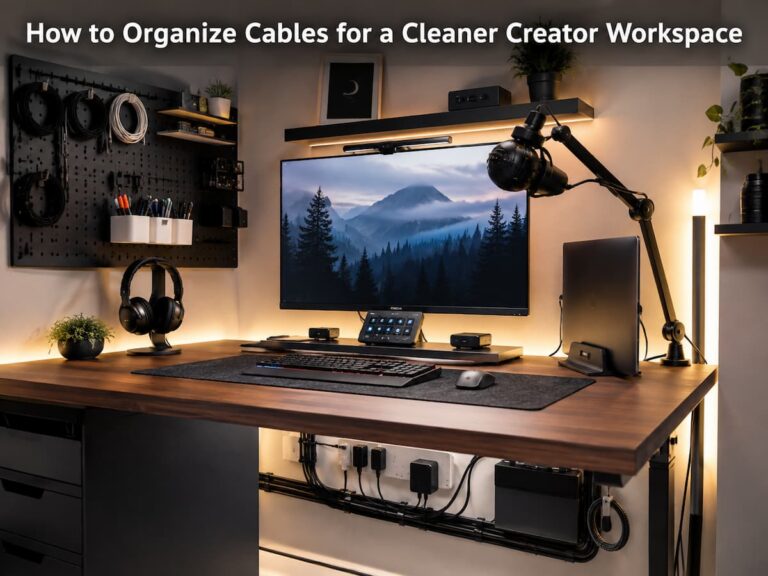
Although people often overlook small accessories, they play a critical role in overall performance. Damaged cables can cause intermittent failures, and poorly maintained batteries can reduce shooting time. I store cables to prevent tangling and avoid bending them tightly. Batteries are kept charged but not overcharged, which helps maintain their lifespan. I also label important accessories so I can quickly identify issues when something stops working. These small management habits prevent unnecessary interruptions during content creation sessions and keep the workflow smooth.
Preparing Equipment for Travel and Outdoor Use
Traveling with equipment requires extra attention because movement increases the risk of damage. I always use padded bags to protect devices from shocks and impacts. Before traveling, I double-check that everything is securely packed and nothing is loose inside the bag. Weather conditions also matter, especially when shooting outdoors. I try to protect gear from direct sunlight, rain, or dust whenever possible. Taking a few extra minutes to prepare before leaving helps avoid expensive repairs later. Proper travel care ensures that equipment remains reliable in different environments.
Avoiding Common Mistakes That Reduce Equipment Life
One of the most common mistakes is ignoring small issues until they become major problems. A slightly loose screw or faint sound may not seem important at first, but over time it can affect performance. Another mistake is rushing setup and teardown without proper attention. I have learned that being patient while handling tools saves time later. Overloading equipment or using it beyond recommended limits also reduces lifespan. Being aware of these mistakes helps maintain better control over your tools and prevents unnecessary damage.
Building a Personal Maintenance Routine That Works
Over time, I developed a simple routine that fits naturally into my workflow. It does not require special tools or extra effort, just consistency. Before each session, I quickly inspect equipment, and after each session, I clean and store everything properly. Once a week, I do a more detailed review to ensure everything is functioning correctly. This routine has made my content creation process more reliable and stress-free. It also helps me stay organized and prepared for unexpected projects. A personal maintenance system does not have to be complex; it just needs to be consistent.
Conclusion
Maintaining content creation equipment is not just a technical task but an essential part of being a responsible creator. When you care for your tools, you can focus entirely on creativity instead of constant problem-solving. Every small habit, from cleaning lenses to storing cables properly, contributes to long-term reliability. Over time, these habits save money, reduce stress, and improve the quality of your work. Consistency in maintenance builds consistency in output, and that is what every creator ultimately needs. Taking care of your equipment is really taking care of your creative journey.

Riley Bennett writes about content creation, streaming gear, and building efficient creator workflows at estergamer.com. After spending years testing equipment and figuring out what actually works versus what just looks impressive, Riley focuses on practical, no-nonsense advice for beginners starting from scratch. When not writing, Riley enjoys exploring new tech, refining home studio setups, and helping fellow creators skip the expensive mistakes that slow most people down. The goal is simple: honest guidance that gets real results without the marketing fluff.