Why Your Camera Choice Matters
Choosing the right camera for content creation is one of the most important decisions for anyone starting a YouTube channel, blogging journey, social media brand, or freelance videography work. While many beginners believe that expensive gear guarantees success, the truth is that the right camera depends on your content style, budget, and workflow. A well-chosen camera helps you produce clear visuals, better storytelling, and consistent quality that builds audience trust over time.
In today’s digital world, content creators have access to a wide range of cameras—from smartphones to professional mirrorless systems. This guide will help you understand what actually matters so you can make a smart, long-term investment.
Understanding Different Types of Cameras
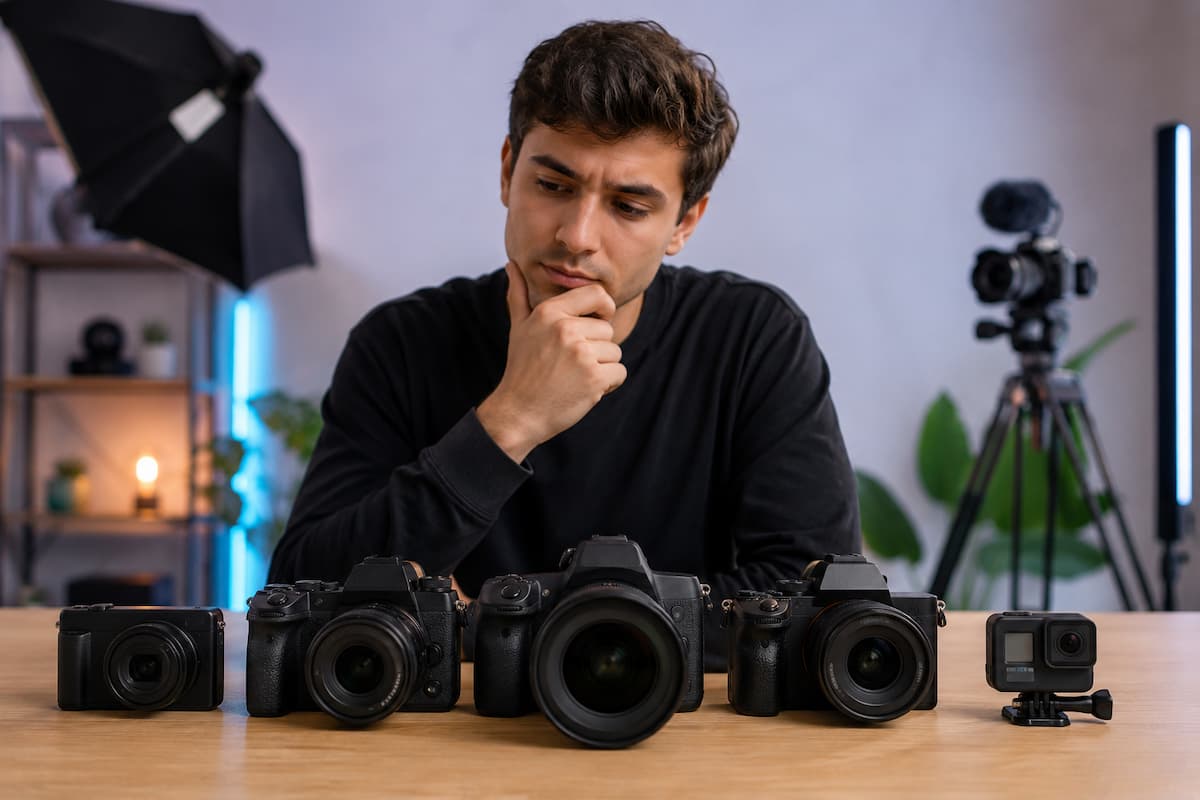
Before buying any camera, it is essential to understand the different categories available in the market. Each type serves a different purpose and level of expertise.
| Camera Type | Best For | Pros | Cons |
|---|---|---|---|
| Smartphone Cameras | Beginners, social media creators | Easy to use, always available, good video quality | Limited control, smaller sensor |
| Compact Cameras | Travel vloggers | Lightweight, simple controls | Less upgrade options |
| Mirrorless Cameras | YouTubers, professionals | High-quality, interchangeable lenses, great autofocus | Expensive, learning curve |
| DSLR Cameras | Photography + video creators | Reliable battery, strong lens options | Bulkier, older tech |
| Action Cameras | Travel, sports content | Durable, waterproof, ultra-wide angle | Limited low-light performance |
How to Choose the Right Camera for Your Content Style
Not every camera fits every creator. Your content style plays a major role in deciding what you should buy. For example, a travel vlogger needs something lightweight and durable, while a studio-based YouTuber may need better lighting control and audio support.
- For beginners: Start with a smartphone or entry-level mirrorless camera.
- For vloggers: Choose flip-screen cameras with strong autofocus.
- For filmmakers: Go for full-frame mirrorless systems.
- For travelers: Compact or action cameras are ideal.
The key is not to overspend at the beginning. Start simple, learn your workflow, and upgrade gradually as your skills improve.
Important Camera Features You Should Consider
When comparing cameras, focus on features that directly affect your content quality. Many beginners get distracted by unnecessary specs, but a few key features matter the most.
1. Sensor Size
A larger sensor captures more light, resulting in better image quality, especially in low-light conditions. Full-frame sensors are ideal for professionals, while APS-C sensors are great for beginners.
2. Autofocus Performance
Fast and accurate autofocus is crucial for talking-head videos, vlogs, and movement shots. Eye-tracking autofocus is especially useful for solo creators.
3. Video Resolution
Most modern cameras support 4K video, which is now a standard for high-quality content. However, 1080p is still sufficient for beginners.
4. Battery Life
Long battery life is essential for outdoor shoots. DSLRs generally offer better battery performance compared to mirrorless cameras.
5. Stabilization
In-body stabilization or lens stabilization helps reduce shaky footage, especially when shooting handheld or while walking.
Budget Breakdown for Content Creation Cameras
Your budget will significantly influence your camera choice. However, even with a small budget, you can create high-quality content if you choose wisely.
| Budget Range | Recommended Setup | Best Use Case |
|---|---|---|
| Low Budget ($100 – $500) | Smartphone + basic tripod + ring light | Social media, beginner YouTube |
| Mid-Budget ($500 – $1500) | Entry-level mirrorless camera + kit lens | YouTube channels, vlogging |
| High Budget ($1500 – $3000) | Advanced mirrorless camera + prime lenses | Professional content creation |
| Pro Level ($3000+) | Full-frame camera + accessories + lighting setup | Commercial filmmaking, studios |
Common Mistakes to Avoid When Buying a Camera
Many beginners make costly mistakes when selecting their first camera. Avoiding these errors can save both money and frustration.
- Buying expensive gear without understanding usage
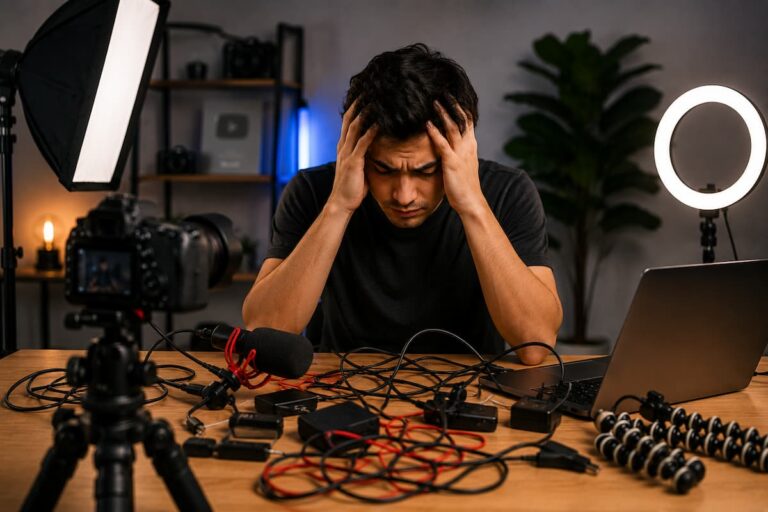
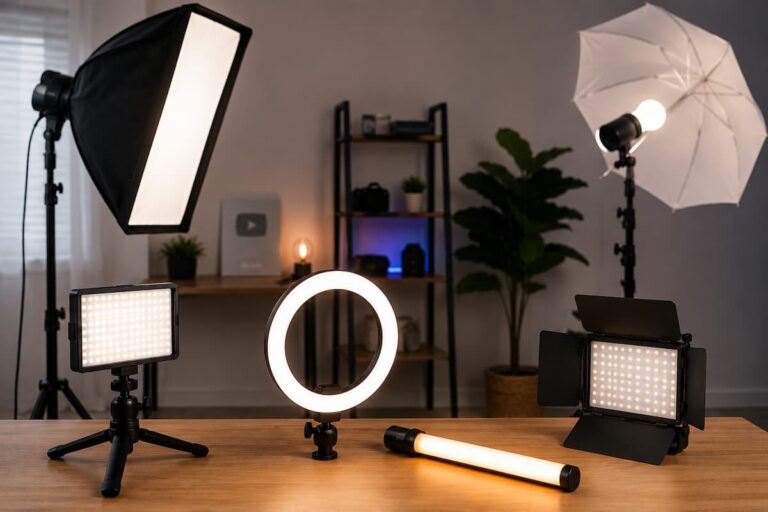
- Ignoring the lighting setup and focusing only on the camera
- Choosing heavy cameras for travel content
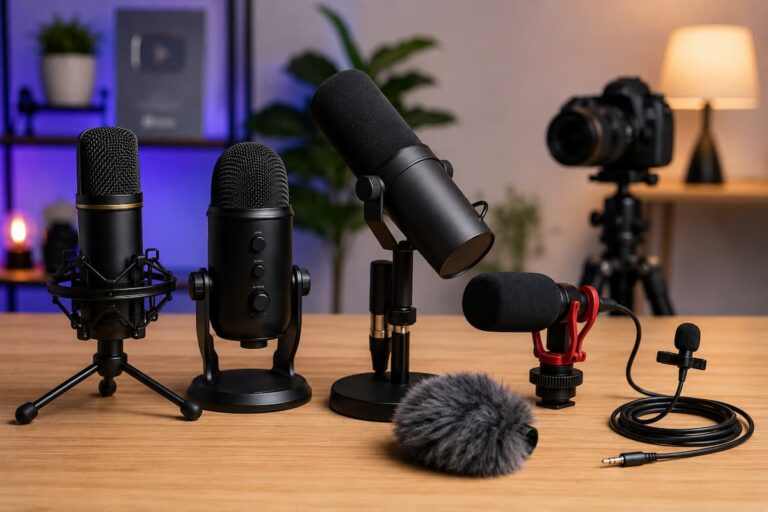
- Overlooking audio quality (sound is just as important as video)
- Not researching lens compatibility
Remember, a good camera cannot fix bad lighting or poor storytelling. Always think of your setup as a complete system, not just a single device.
Practical Camera Setup Examples for Creators
Let’s look at some real-world setups that content creators commonly use. These examples will help you visualize what works in different scenarios.
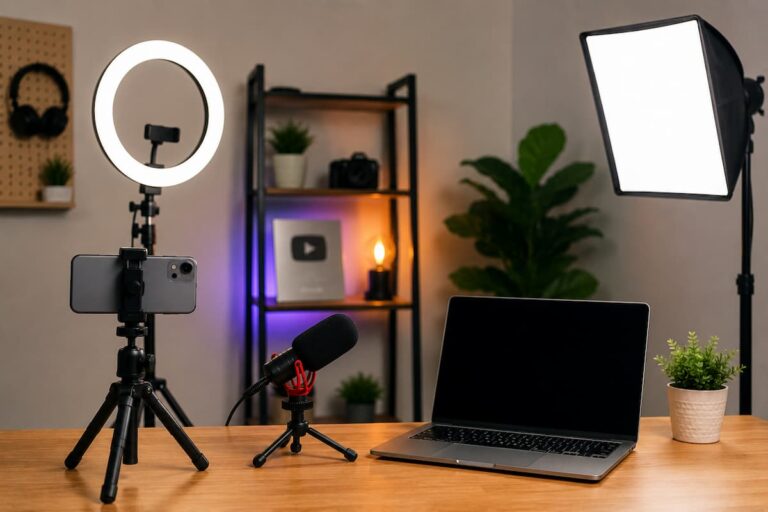
Example 1: Beginner YouTuber Setup
- Smartphone (latest model or mid-range device)
- Tripod for stability
- Ring light for better lighting
- External microphone for clear audio
Example 2: Travel Vlogger Setup
- Compact mirrorless camera
- Wide-angle lens
- Portable tripod or gimbal
- Extra batteries
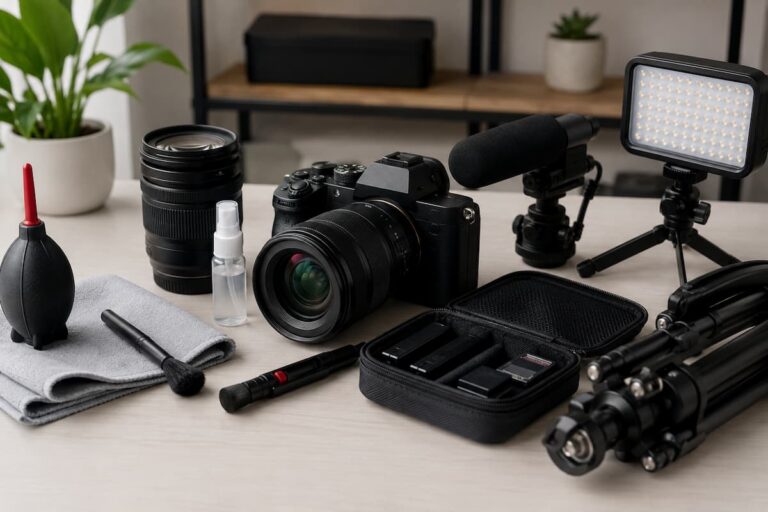
Example 3: Professional Content Creator Setup
- Full-frame mirrorless camera
- Multiple lenses (prime + zoom)
- Professional lighting kit
- High-quality microphone and audio recorder
Final Tips for Making the Right Decision
When choosing a camera, focus on long-term usability rather than short-term excitement. Think about how your content may evolve over time. A flexible system that allows lens upgrades and accessories will serve you better in the long run.
Also, try renting or testing a camera before purchasing. This gives you hands-on experience and helps you understand what feels comfortable for your workflow.
Conclusion
Choosing the right camera for content creation is not about buying the most expensive model but about finding the right balance between quality, usability, and budget. Beginners should focus on simple setups, while advanced creators can invest in more powerful systems. The most important factor is consistency—your creativity and storytelling matter more than the gear itself.
Start with what you have, learn continuously, and upgrade only when necessary. This approach ensures steady growth without unnecessary financial pressure.
FAQs
1. Do I need an expensive camera to start content creation?
No, you can start with a smartphone. Many successful creators began with basic devices before upgrading.
2. What is better for beginners: DSLR or mirrorless?
Mirrorless cameras are generally better due to lighter weight, better autofocus, and modern features.
3. Is 4K video necessary?
Not necessarily. 1080p is still widely used and acceptable for most platforms.
4. How important is audio quality?
Audio is extremely important. Poor sound can ruin even high-quality video content.
5. What is the best all-around camera for creators?
There is no single best camera. The right choice depends on your budget, content type, and experience level.

Riley Bennett writes about content creation, streaming gear, and building efficient creator workflows at estergamer.com. After spending years testing equipment and figuring out what actually works versus what just looks impressive, Riley focuses on practical, no-nonsense advice for beginners starting from scratch. When not writing, Riley enjoys exploring new tech, refining home studio setups, and helping fellow creators skip the expensive mistakes that slow most people down. The goal is simple: honest guidance that gets real results without the marketing fluff.